
Introduction: The Homeowner’s Renovation Dilemma
Deciding whether to pack your bags or tough it out in a construction zone comes down to three main factors: the scope of your project, access to basic living amenities (like running water and a functional toilet), and your family’s daily routine. While living through a minor cosmetic refresh is completely doable, major structural overhauls tell a very different story.
What many homeowners overlook is that your choice of temporary living arrangements impacts more than just your comfort—it directly affects the timeline and speed of the project. Working with a trusted general contractor ensures you establish a clear logistics plan before construction begins, preventing unnecessary delays, safety risks, or budget surprises.
Stay Home or Move Out? Quick Decision Matrix
Use this quick guide to evaluate whether staying on-site is realistic for your upcoming project:
Project Scope / Scale | Can You Stay Home? | Key Condition / Risk |
Single Room / Entryway Refresh | Yes | Full dust containment required in adjacent living areas |
Sole Bathroom Renovation | No | Loss of running water, shower, and toilet facilities |
Major Kitchen Remodel | Conditional | Requires a dust-free temporary kitchen setup (fridge, microwave, water) |
Whole-Home Remodel / Addition / Roof Replacement | Move Out Mandatory | Utility shutoffs (HVAC/water), heavy noise, structural and chemical hazards |
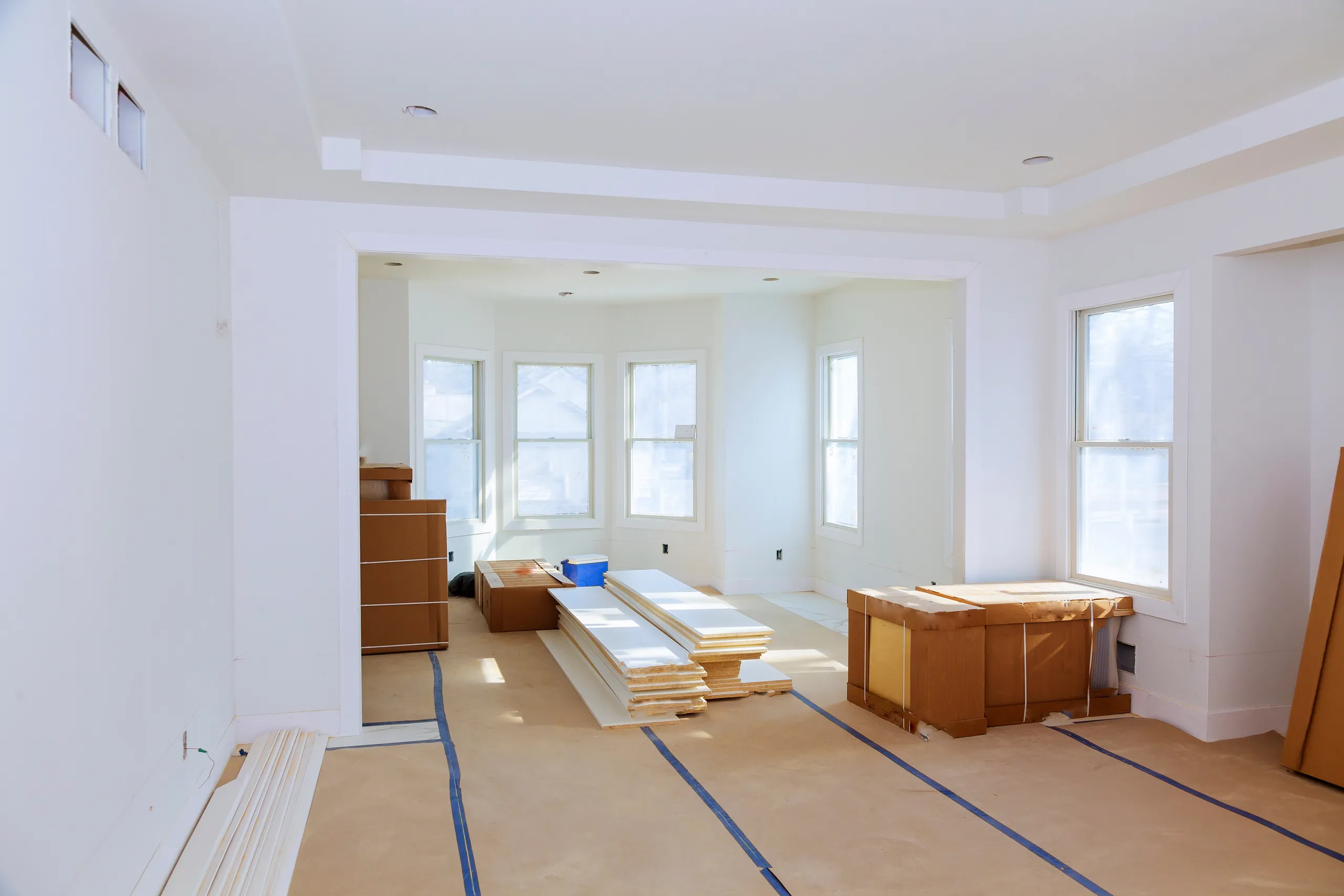
Critical Signs You MUST Move Out During Construction
While staying in your home saves on rent, certain construction milestones make living on-site unsafe or impractical. You should plan to move out if your project involves:
Complete Loss of Plumbing: If your project involves a full bathroom renovation and it is the only bathroom in the home, remaining on-site becomes unfeasible once water mains are turned off and fixtures are removed for more than 12–24 hours.
Major Structural & Utility Overhauls:Heavy demolition involving load-bearing walls, subfloor replacement, full roof teardowns, or complete electrical and HVAC upgrades create active safety hazards.
Vulnerable Household Members: Dust, loud noise, and disrupted routines are particularly harsh on infants, elderly family members, individuals with asthma or severe allergies, and reactive pets.
Hazardous Material Exposure:Demolition work in older homes can disturb lead paint or asbestos. Additionally, heavy chemical fumes from concrete sealers, floor refinishing varnishes, or spray foam insulation require proper curing time before the air is safe to breathe.
Can You Stay at Home During Construction? How to Make It Bearable
If your project scope allows for stay at home construction, careful planning makes the process manageable without compromising your daily quality of life.
Professional Dust & Safety Containment
Professional contractors don’t just clear away debris; they isolate the work zone. Standard containment practices should include:
Heavy-duty plastic zip-walls (ZipWall systems) sealing off doorways and open archways.
Sealing supply and return HVAC vents to prevent construction dust from circulating through your ductwork.
Running commercial HEPA air scrubbers inside the work zone to continuously filter airborne microparticles.
Setting Up a “Clean Zone”
To maintain your sanity, designate a dedicated area of the house as a strict “no-construction zone.” This could be a master suite or a basement living room where dust and tools are prohibited.
If you are undertaking an extensive kitchen remodeling project, setting up a temporary kitchen outside the work footprint is essential. Relocate your refrigerator, toaster oven, microwave, coffee maker, and paper supplies to a clean room with easy access to a sink (such as a laundry room) so you can prepare basic meals without stepping onto the jobsite.
Daily Jobsite Cleanup Protocols
An organized jobsite drastically reduces stress. Confirm that your contractor enforces daily cleanup routines, including sweeping debris, capping exposed wiring, collecting trade tools, and vacuuming dust-walk paths at the end of every workday.
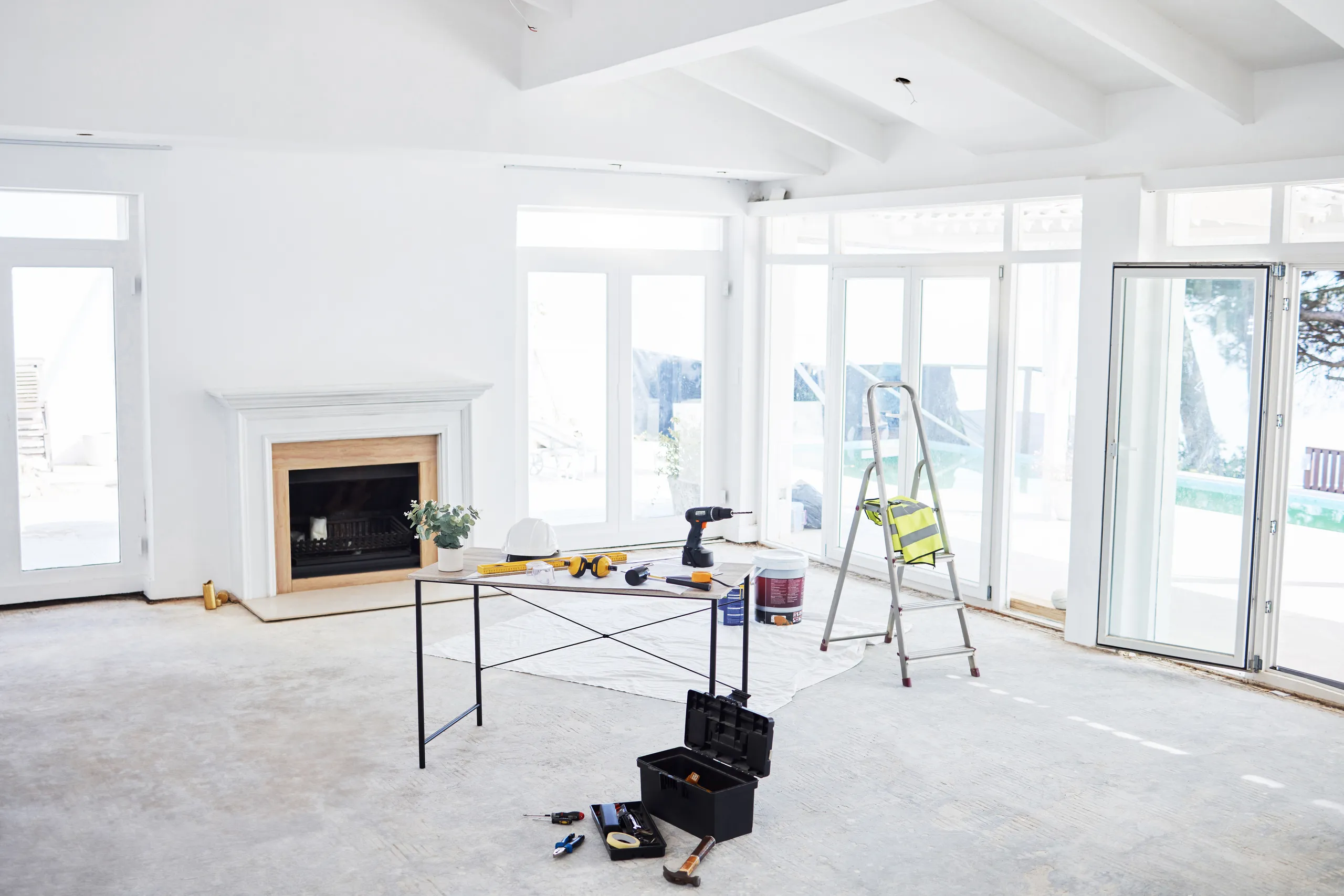
Where to Live During Home Renovation: Top Housing Options Compared
When moving out is the best path forward, choosing where to stay during home renovation projects comes down to balancing comfort, location, and overall budget.
Option 1: Staying with Family or Friends
Pros: Zero to minimal rental costs; built-in emotional support.
Cons: Lack of privacy, potential boundary strain, and space limitations.
Best For: Short-term projects lasting under 1–2 weeks.
Option 2: Short-Term Vacation Rentals (Airbnb, Vrbo)
Pros: Fully furnished homes with functional kitchens, laundry facilities, and residential comfort.
Cons: Seasonal rate spikes and potential strict pet policies.
Best For: Mid-length renovations lasting 2 to 8 weeks.
Option 3: Extended-Stay Hotels
Pros: Flexible weekly/monthly contracts, housekeeping included, and complimentary breakfasts.
Cons: Compact living spaces and limited full-kitchen setups.
Best For: Short-to-medium stays ranging from 1 to 3 weeks.
Option 4: Corporate Furnished Apartments
Pros: Move-in ready apartments with complete home amenities and discounted long-term rates.
Cons: Higher upfront costs and short-term lease agreement requirements.
Best For: Major home additions or whole-home remodels taking 2 to 6 months.
Option 5: On-Site RV or Temporary Trailer
Pros: You remain on your property to oversee progress without commute delays.
Cons: Weather-dependent comfort and complex hookups for water and waste.
Note on Custom Builds: If your project involves separate adu construction (such as a detached garden suite or accessory dwelling unit), staying in your primary residence is usually seamless because the heavy structural work takes place outside your main living quarters.
The Hidden Costs: Staying at Home vs. Moving Out
Determining where to live during a home renovation requires looking beyond base rental prices. “Staying home for free” often carries unexpected expenses that quickly narrow the financial gap.
Living Option | Primary Hidden Costs | Financial Impact |
Staying at Home | Dining out / Takeout meals Slower labor pace (daily jobsite prep) Off-site storage for furniture | +$50 to $100+/day in food delivery and potential project timeline extensions |
Moving Out | Dual utility payments Increased daily commute fuel/time Temporary pet lodging or deposits | Fixed, predictable rental costs with faster project completion |
Key Budget Factors to Consider:
The Cost of Convenience: Without an operational kitchen, ordering takeout or eating at restaurants for a family of three can easily add $1,500–$3,000 per month to your standard living expenses.
Labor & Timeline Efficiency: When homeowners remain in the house during full remodels, trade crews must spend up to an hour every day sealing rooms, moving tools out of living zones, and cleaning footpaths. This extra setup time can extend your overall project timeline.
Protecting Your Belongings: Even with dust barriers, soft furniture and mattresses can trap microscopic construction dust. Renting an off-site portable storage unit is often necessary whether you stay or leave.
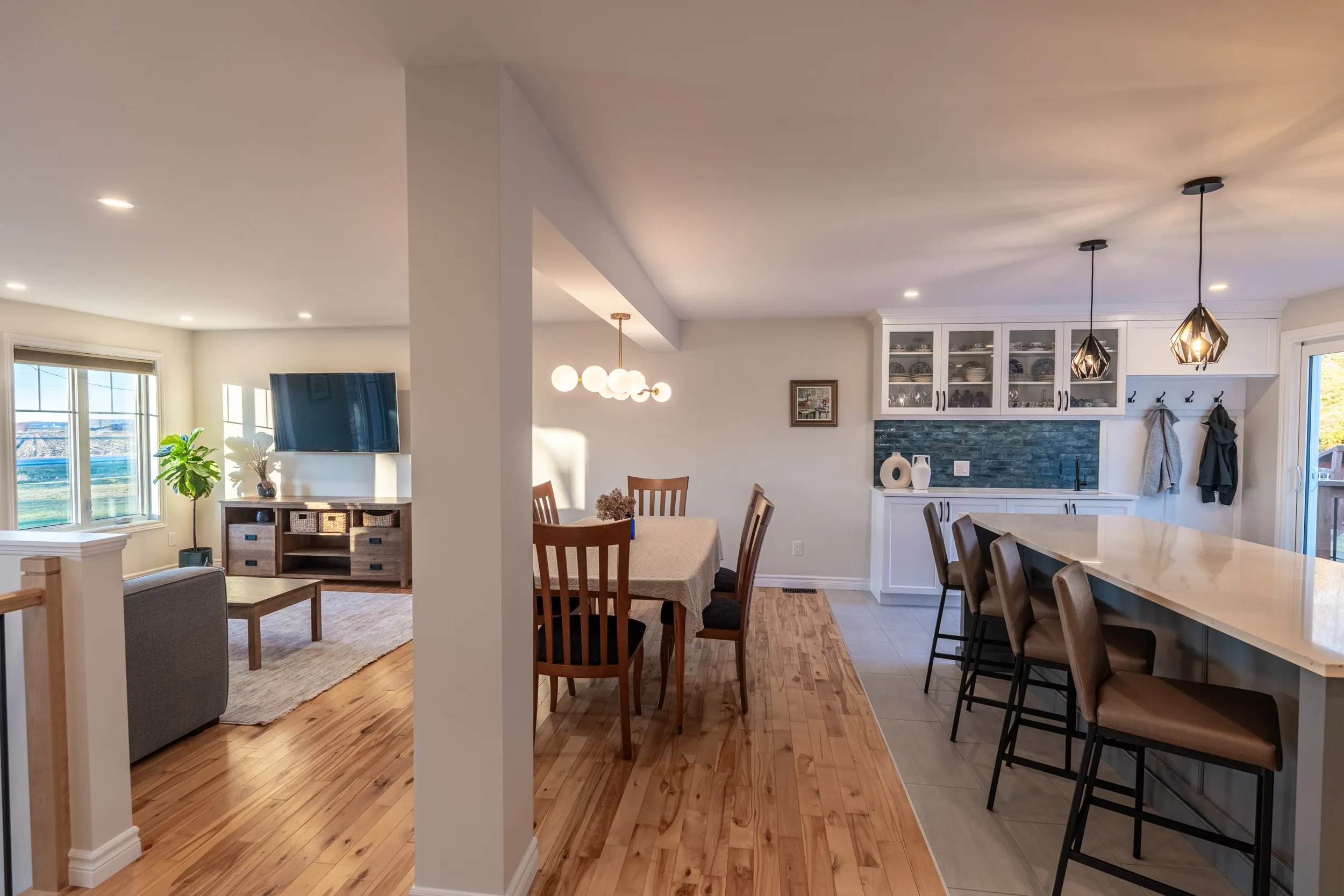
How Millennial Contracting Minimizes Renovation Disruption
At Millennial Contracting, we structure our workflow to protect both your property and your peace of mind. Proudly Servicing Cornwall & SD&G, our design-build process keeps your daily routine top of mind from day one.
Dedicated Living Plan (Step 6 of Our Process): Our 9-step project framework includes a specific phase—Living In Your Home During Construction—where we map out utility shutoff schedules, establish worker access routes, and coordinate dust containment barriers before work starts.
Fixed-Price Guarantee: Delays in construction directly translate into extended rental costs. Our detailed, fixed-price contracts protect you against unexpected timeline extensions and runaway costs.
Respect for Your Home: Our professional crews follow strict noise schedules, maintain site cleanliness daily, and ensure clear communication throughout the build.
Pre-Renovation Housing Checklist
Before demolition day arrives, complete this checklist to ensure a seamless transition:
☐ Review Schedule: Obtain a detailed timeline from your general contractor highlighting planned utility shutoffs (water, power, HVAC).
☐ Book Housing with Buffer Time: Reserve temporary housing with an extra 1–2 week buffer to accommodate cure times or weather delays.
☐ Pack an Essential Go-Bag: Gather daily clothing, medications, vital documents, chargers, and toiletries in an easily accessible bag.
☐ Define Work & Clean Zones: Clearly mark off-limit areas with your build team to maintain a safe perimeter.
☐ Arrange Pet & Child Logistics: Plan pet care and child safety measures for days involving heavy equipment or material delivery.